Debunking common myths The real truths about gambling you didn’t know
Understanding the Psychology Behind Gambling
Many people view gambling as purely a game of chance, but the psychological aspects are often overlooked. Gamblers are influenced by a variety of cognitive biases, such as the illusion of control, where individuals believe they can influence the outcome of random events. This misconception can lead to increased gambling behavior, especially when individuals are drawn to online casinos and feel empowered by their perceived ability to affect the odds.
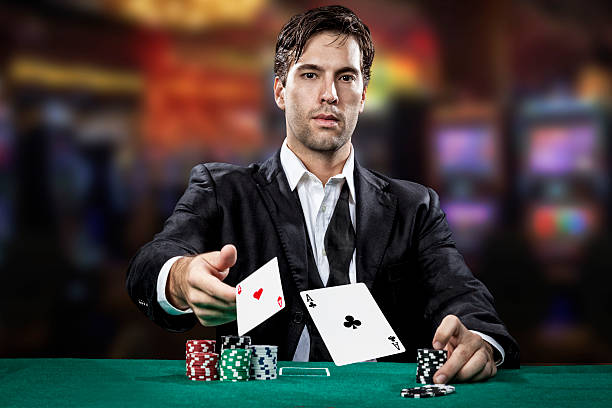
Moreover, the dopamine rush associated with winning can create a powerful feedback loop. This chemical response reinforces the behavior, encouraging gamblers to return to the tables or machines in pursuit of that euphoric feeling. Understanding these psychological triggers can help individuals recognize the emotional motives behind their gambling habits.
The Myth of “Hot” and “Cold” Streaks
A common belief among gamblers is that games exhibit “hot” and “cold” streaks, where certain outcomes are more likely to occur based on recent results. For instance, a player might believe that a roulette wheel is “due” for a win after a series of losses. However, each spin or deal is an independent event, unaffected by previous outcomes.
This fallacy, known as the gambler’s fallacy, can lead to poor decision-making and increased losses. Players often chase after these perceived patterns, mistakenly believing they can predict outcomes based on prior events. Understanding that probability is constant can help players approach gambling more rationally, minimizing losses driven by these myths.
The Illusion of Skill in Games of Chance
While certain games like poker involve strategy and skill, many casino games are primarily based on luck. The misconception that skill can significantly impact the outcome in games like slots or roulette is misleading. In these games, the house edge is statistically fixed, meaning that over time, the casino is likely to win regardless of the player’s decisions.
This belief often leads players to overestimate their abilities, spending more time and money chasing unrealistic expectations of victory. By recognizing the fundamental nature of these games, gamblers can make more informed decisions and set realistic expectations about their outcomes.
The Impact of Gambling on Relationships
Gambling can have profound effects on personal relationships. Many people assume that only problem gamblers face challenges in their social lives, but even casual gamblers can unintentionally create rifts. Time spent gambling can lead to neglect of familial responsibilities, resulting in feelings of abandonment among loved ones.
Moreover, financial strain resulting from gambling can lead to stress and conflict within relationships. Open communication is essential for addressing these issues, and understanding the potential impacts of gambling can encourage healthier habits. Recognizing when gambling becomes detrimental to relationships is crucial for fostering a supportive environment.

Your Resource for Responsible Gambling
Understanding the truths about gambling can empower players to engage more responsibly. This website aims to provide comprehensive resources, including psychological insights and practical advice for managing gambling behaviors. By equipping individuals with knowledge, we strive to foster a healthier gambling environment.
Our focus on education aims to dispel myths and highlight the importance of responsible gaming. Whether you are a casual player or someone dealing with gambling challenges, our resources are designed to support informed decisions and promote a balanced approach to gambling.