Understanding gambling addiction recovery key steps to healing Conquering the challenges of gambling addiction a roadmap to recovery Hope in recovery overcoming gambling addiction Can recovery from ga
Recognizing the Signs of Gambling Addiction
Understanding gambling addiction begins with recognizing its signs. Many individuals may initially dismiss their behaviors as harmless fun, but when gambling starts interfering with daily life, relationships, and finances, it is a clear indication of a deeper problem. Emotional distress, increased secrecy, and feelings of guilt or anxiety when not gambling are common warning signs that should not be ignored. In fact, those seeking a break from traditional forms of entertainment often find themselves immersed in the Ice Fishing game, highlighting the appeal that gambling can hold.
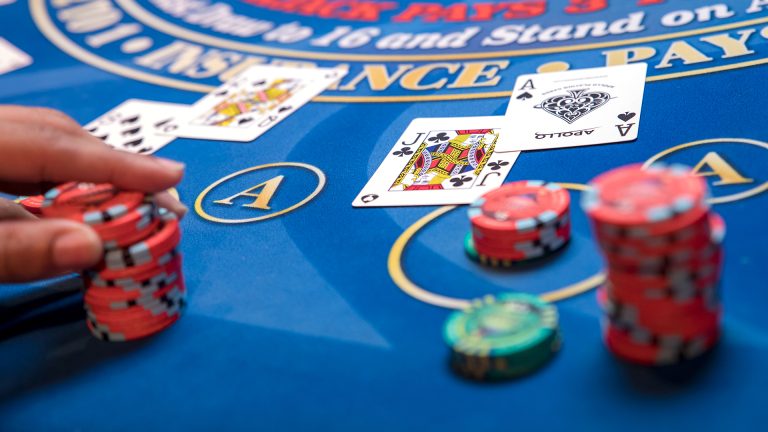
It is essential to confront these signs early to prevent further escalation. Those suffering may experience a compulsive need to gamble, often leading to chasing losses and increasing bets despite negative consequences. Acknowledging the problem is the first step in the recovery journey, empowering individuals to seek help and make positive changes in their lives.
The Roadmap to Recovery
Recovery from gambling addiction is not a one-size-fits-all process; however, there are key steps that can guide individuals toward healing. The journey often begins with self-assessment and commitment to change. Setting realistic goals and establishing a support system of friends, family, or professionals can provide the necessary foundation for recovery.
Engaging in counseling or therapy can also be beneficial. Cognitive-behavioral therapy is particularly effective for addressing the underlying issues related to gambling addiction. Through therapy, individuals can develop coping strategies, identify triggers, and learn healthier behaviors, ultimately leading to long-term recovery.
Building a Supportive Environment
Creating a supportive environment is crucial in the recovery process. This includes distancing oneself from places and situations that trigger the urge to gamble. Involving family and friends in the journey can foster accountability and provide emotional support during tough times. Support groups, such as Gamblers Anonymous, can also offer a sense of community and shared experiences, making recovery feel less isolating.
Additionally, finding healthier activities to replace gambling can enrich one’s life. Engaging in hobbies, exercise, or volunteer work can fill the time that was previously spent on gambling, leading to personal growth and fulfillment. A balanced lifestyle is a powerful antidote to the void that gambling often seeks to fill.
Overcoming Challenges in Recovery
Recovery is not without its challenges. Relapses may occur, and it’s crucial to understand that setbacks are part of the healing process. Instead of viewing a relapse as failure, it can be an opportunity to reassess triggers and reinforce commitment to recovery. Learning from these experiences can strengthen resilience and resolve.
Additionally, ongoing education about gambling addiction can empower individuals to make informed decisions. Understanding the psychology behind compulsive gambling can demystify the behaviors and motivate individuals to stay engaged in their recovery plan. Regular check-ins with therapists or support groups can also help maintain focus on recovery goals.

Resources and Support for Your Journey
For those seeking help, numerous resources are available to assist on the path to recovery from gambling addiction. Websites dedicated to addiction support often offer valuable information, tools, and community forums. These resources can provide a wealth of knowledge on coping strategies, treatment options, and personal stories that inspire hope and healing.
Investing time in learning about the recovery process can significantly impact one’s journey. With determination and the right support, individuals can overcome gambling addiction and lead fulfilling lives free from the constraints of their past behaviors. Remember, you are not alone, and recovery is possible with the right guidance and resources.